Showing: 1 - 8 of 8 RESULTS

Eshkeneh (Persian Onion & Egg Drop Soup)

This traditional soup from Iran is simple to make and packed full of flavour from the aromatics, turmeric and fenugreek. Comforting with gooey eggs to dip into with the bread of your choice, this soup is a winter warmer.

What is Eshkeneh?

Eshkeneh is a soup made with the primary ingredients of onion, potato, fenugreek, turmeric and egg. There are many variations of the recipe for Eshkeneh. If you have tried it before, you may be more familiar with the version that results in a golden soup with flecks of green from the fenugreek leaves. One of the many variations is made with the addition of tomatoes and this is the recipe I have shared below.

Eshkeneh originates from the Khorasan region of Iran – the east side. My mother and her family are from Mashhad, which is sometimes referred to as the ‘capital of Khorasan’, so this soup was a regular feature in my childhood.

Ingredients in Eshkeneh

Onions and potato are cooked with fresh and dried aromatics in a broth made with tomatoes and tomato purée. Eggs are added to make an egg-drop soup and a lemon and chive oil is drizzled over before serving.

  • Onions. The soup should feel like onion is one of the major ingredients so use a very large onion or two medium onions. See it as the Persian equivalent of a French onion soup.
  • Garlic. Used as an aromatic to enhance the flavour.
  • Potato. Use either an all-rounder potato like a Maris Piper or a waxier potato like a red potato. You want the potato cubes to keep their shape.
  • Fenugreek. You need the dried leaf variety not the seeds.
  • Tomatoes and Tomato Purée. Flavours, thickens and gives a rich red colour to the soup.
  • Water or Vegetable Stock. The cooking liquid for the soup.
  • Turmeric. Used to flavour the soup.
  • Lemon Juice. Used both to flavour the soup and the chive oil drizzled over before serving.
  • Salt and Pepper. To season the soup.
  • Eggs. Cooked in the soup to your preference (I like mine to have a soft yolk to dip my bread into). Use good quality eggs such as organic free-range.
  • Olive Oil. Used for cooking the soup and for the chive oil drizzle.
  • Chives. Used for the chive oil.
Serve with flatbread such as Nan-e Barbari (traditional Persian flatbread) or Sesame and Nigella Seed Flatbread
Try another loved Persian Soup: Soupe Jo – Persian Cream of Barley and Chicken Soup

Eshkeneh

Persian onion and egg-drop soup
Prep Time10 minutes
Cook Time40 minutes
Total Time50 minutes
Course: Soup
Cuisine: Persian, Iranian
Keyword: tomatoes, vegetarian, eggs, fenugreek
Servings: 2
Author: Mersedeh Prewer

Ingredients

For the Soup

  • 2 tbsp olive oil
  • 1 large onion (finely diced)
  • 1 clove garlic (crushed)
  • 1 tsp turmeric
  • 1 tbsp tomato purée
  • 1 tbsp dried fenugreek leaves (crush a little if the leaves are large)
  • 1 large potato (finely diced - 1 cm cubes)
  • 1 medium tomato (chopped)
  • 600 mls water or vegetable stock
  • Salt and pepper (to taste)
  • A squeeze or two of fresh lemon juice
  • 2 large free range eggs

For the Chive Oil Garnish

  • 1 tbsp olive oil
  • A handful of fresh chives
  • A squeeze of lemon juice

Instructions

  • Take a medium size saucepan and place on medium-high heat. Add olive oil and then onion. Cook onion until translucent and starting to turn golden. 
  • Add garlic and turmeric and stir into the mixture. Add tomato purée. Then add dried fenugreek leaves and stir into mixture.
  • Add diced potato and stir gently for a few minutes, making sure the potatoes do not stick to the pan.
  • Add chopped tomatoes and then water or stock. Once soup starts to bubble, lower heat to low and let simmer for 20 minutes minimum. Check in now and again to stir occasionally.
  • Season according to taste.
  • Place olive oil, finely chopped fresh chives and lemon juice in a bowl and mix and put to one side to garnish the soup when ready to serve.
  • Prior to serving, and when the soup is simmering, crack eggs into soup as far away as possible from each other so they don't merge. Poach 2 mins for soft; 4 mins for medium; and above 5 mins for hard. Turn off heat and serve in bowls with lemon and chive oil drizzled on top and flatbread to dip.

Kabab Tabei (Pan-Cooked Kofte Kebabs with Roasted Tomatoes)

These Persian kofte kebabs can be cooked anytime of the year with no need for a BBQ or skewers. They are easy to make and retain all the juiciness you expect from a kebab.

What is Kabab Tabei?

If you have eaten at a Persian restaurant, then you will be familiar with Kabab Koobideh. The long metal skewers of minced lamb cooked to juicy perfection over a charcoal flame. Kabab Tabei is the easy version, cooked in a pan with no skewers required, and accompanied with a side of roasted tomatoes.

Ingredients in Kabab Tabei

With the exception of saffron, the ingredients should be easy to source from your local supermarket. 

  • Minced Lamb or Beef – use mince with a 20% fat content to make the kebabs. This will ensure they are juicy.
  • Onion and Garlic – fresh aromatics for the dish adding to the flavour of the kebabs.
  • Turmeric and Saffron – spices used to flavour the kebabs.
  • Tomato Purée  – my secret ingredient which creates a juicy kebab.
  • Extra Virgin Olive Oil – used to cook the kebabs and to drizzle over the tomatoes before roasting.
  • Tomatoes – for the accompanying roasted tomatoes. Use small tomatoes on the vine like these.
  • Sumac, Salt and Pepper – used to season the kebabs.

Saffron can be found in most supermarkets nowadays. Remember to always grind the saffron strands to a fine powder after purchase because it makes the saffron go further. Bloom the amount of ground saffron directed in this recipe in water before adding to the Kabab Tabei mixture.

What to Serve with Kabab Tabei

Serve with Kateh or Chelo (Persian rice) and Salad Shirazi as pictured. They can also be eaten with flatbreads, salad, chilli and garlic sauce with a side of chips as part of a fake-away style meal!


Kabab Tabei Instagram Reel

https://www.instagram.com/reel/Chh2YZgIPR0/?utm_source=ig_web_copy_link


Kabab Tabei

Pan-cooked kofte kebabs with roasted tomatoes
Prep Time20 minutes
Cook Time20 minutes
Total Time40 minutes
Course: Main Course
Cuisine: Persian, Iranian
Keyword: lamb, kebabs, easy recipe
Servings: 4
Author: Mersedeh Prewer

Ingredients

  • 500 g lamb or beef mince (approx. 20% fat)
  • 1 large onion
  • 3 cloves garlic (crushed)
  • 1/2 tsp turmeric
  • 1/8 tsp ground saffron (bloomed in 2 tbsp of water)
  • 1 tsp tomato purée
  • 2 tbsps olive oil
  • 2 tsp sumac
  • 500 g small or cherry tomatoes (on the vine)
  • Drizzle of olive oil (for the cherry tomatoes)
  • Salt and pepper (to taste)

Instructions

  • Place mince in a mixing bowl. Grate onion and squeeze most of the juice out. This will ensure the kebab does not fall apart when cooking but will tenderise the meat and be juicy once cooked.
  • Add grated onion, garlic, turmeric, saffron water, tomato purée, salt and pepper to the bowl with mince. Knead mixture well for a few minutes. Cover bowl and leave in fridge for no less than 4 hrs but preferably overnight. Take meat mixture out of fridge about 30 minutes before you want to cook it.
  • Heat oven to 180°C (fan oven). Place tomatoes on a baking dish and drizzle olive oil over them. Season with salt and pepper. Place in oven and roast for 20 minutes.
  • Shape meat mixture into patties of your choice. I shape them into an oval shape about the length and width of my hand (they will shrink a little while cooking).
  • Coat frying pan with oil and place over medium-high heat. After 2 minutes, place kebabs in pan. Sprinkle some sumac on the uncooked side and wait until the meat releases water and the water dries out in the pan before flipping. Sprinkle sumac on the cooked side. Wait until kebabs release further water and it is cooked off. Turn off heat.
  • Serve kebabs with the roasted tomatoes and rice or bread.

Notes

If you like your kababs spicy then try my Kabab Tabei-Tond (‘Tond’ means spicy in Farsi). Follow the recipe and method as set out above but at step 3 replace the tomato purée with 1 tsp of Harissa paste or 1 tsp of biber salcasi (Turkish spicy tomato paste), which you can buy from any local supermarket, and 1 tablespoon of chopped fresh coriander.

Salad Shirazi (Cucumber, Tomato & Onion Salad)

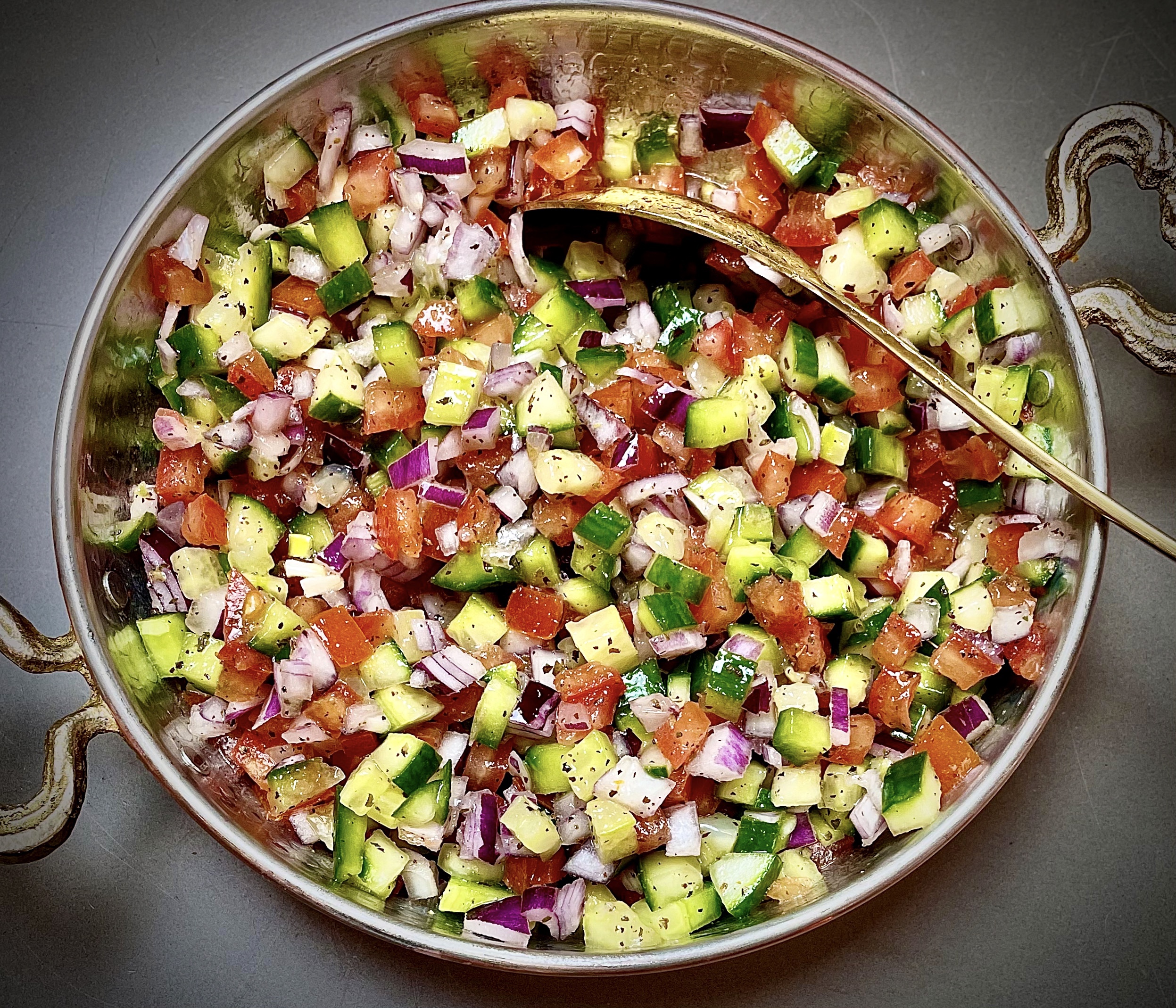
Often referred to as the National Salad of Iran, this juicy lime-dressed salad is a happy accompaniment to all Persian mains from kebabs to koresh (stews).

The National Salad of Iran

As the name gives away, Salad Shirazi originates from Shiraz, which is located in the South West of Iran. The reason it is called the National Salad of Iran is because it is our only salad recipe! It is similar to the Indian Kachumber and Israeli chopped salads. 

Ingredients in Salad Shirazi

Use fresh and high quality ingredients to get maximum flavour from your Salad Shirazi.

  • Cucumber, tomatoes and red onion: are diced into small chunks, as pictured above. You can chop it into bigger chunks, if you prefer.
  • Dried mint, salt, pepper, fresh limes and good quality salad oil, such as extra virgin olive oil or toasted argan oil: create the dressing. I sometimes add sumac to the dressing, which gives another layer of citrus to the final salad.

Tips for Making Salad Shirazi

Scrape some of the the seeds out of both the cucumber and the tomatoes before dicing the salad ingredients. Although you want a juicy salad, you don’t want a water-logged one. Don’t be too obsessive about seed removal because the salad is meant to be juicy. You want to have some delicious dressing to spoon over the other elements on your plate.

Serving Suggestions

Serve it as a side salad with all Persian mains from khoresh to kebabs. Here are some suggestions.

This salad can be eaten with any cuisine so no need to limit it to a side salad for Persian mains only.

How to Store Salad Shirazi

Keep in an airtight container in the fridge and it will last up to 2 days.


Salad Shirazi

Persian cucumber, tomato and onion salad - the National Salad of Iran
Prep Time15 minutes
Total Time15 minutes
Course: Salad, Appetiser
Cuisine: Persian, Iranian
Keyword: vegetarian, vegan
Servings: 4
Author: Mersedeh Prewer

Ingredients

  • 1 medium cucumber
  • 3 medium tomatoes
  • 1 medium red onion
  • 3 tbsp extra virgin olive oil or toasted argan oil
  • 2 limes (zest of one lime, juice squeezed from both for the dressing)
  • 2 tsp dried mint (fresh mint can also be used as an alternative or in addition to the dried mint)
  • Salt and pepper (to taste)

Instructions

  • Halve tomatoes and scrape some of the seeds out. Do the same with cucumber. Finely dice onion, tomatoes and cucumber into small chunks.
  • Make a dressing out of olive oil, lime juice and zest, salt, pepper and mint. Drizzle over salad.
  • Toss salad and taste - adjust seasoning if required and then serve.

Torshi Soorati (Red Cabbage & Onion Pickle)

An easy pickle made from red cabbage and red onion. Ready to eat in 5 days, this vibrant pink pickle is a perfect accompaniment to a range of dishes.

What is Torshi?

Torshi is derived from the word ‘Torsh’ in Farsi, which means sour. Torshi is used to describe vegetables pickled in vinegar. They are often eaten as accompaniments to dishes and / or aperitifs. On a Persian sofreh (spread) you will always find some Torshi.

The sour taste of the pickles perfectly complements many of our dishes, particularly those containing lamb, as it brings a balance to the richness of the flavours.

How to Make Torshi Soorati

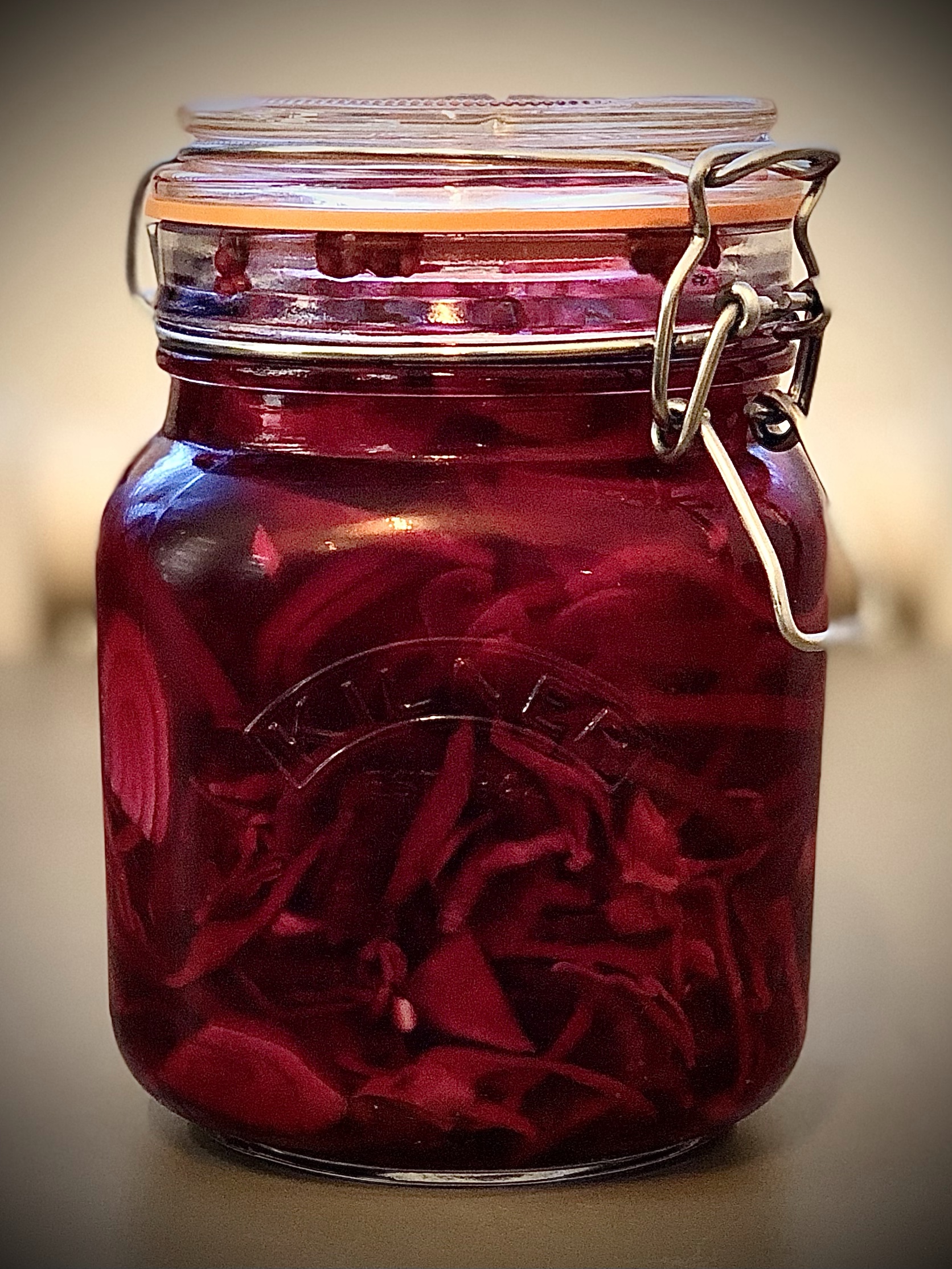
Thinly slice red cabbage and red onion. Place in a pickling jar (I am a fan of kilner jars) with coriander seeds. Dissolve the sugar and salt in white vinegar and pour into the jar. Leave for a minimum of 5 days to pickle. It is as simple as that!

‘Soorati’ means pink in Farsi and the pickle has been given this name as the resulting colour is a vibrant pink. A very versatile pickle suiting many cuisines, including Indian and Asian style dishes.

Eat Torshi Soorati With…

This pickle is delicious with so many dishes. Add to fried egg sandwiches, eat with kebab, burgers and wraps such as my sticky pomegranate chicken wraps. A perfect side to noodles too!

The Pickling Liquid

You may be left with some pickling liquid once the pickles are finished. Use it as a basis for a salad dressing. Just add olive oil and adjust with other flavourings such as a bit of lime juice and / or honey.


Torshi Soorati

Red cabbage and red onion pickle
Prep Time20 minutes
Pickling Time5 days
Total Time5 days 20 minutes
Course: Appetiser, Accompaniment
Cuisine: Persian, Iranian
Keyword: torshi, pickle
Servings: 1 litre jar of pickles
Author: Mersedeh Prewer

Ingredients

  • 1 red onion
  • 1/2 small red cabbage
  • 500 ml white wine vinegar
  • 1 tbsp granulated sugar
  • 1 tsp salt
  • 2 tbsp whole coriander seeds
  • 1 litre pickling jar (sterilised)

Instructions

  • Finely slice red onion and red cabbage and mix in a bowl.
  • Place into jar and add a sprinkle of coriander seeds after each layer of the mixture until you reach the top of the jar. Make sure you pack the vegetables tightly in the jar by pressing each layer down.
  • Dissolve sugar and salt in vinegar and pour in up to the neck of the jar. Push the vegetable mix down to pack and squeeze in more of the veg, if you can. Pour in more vinegar if required.
  • Close the lid tightly and leave the jar in a cool dark place like a pantry for 5 days. Once opened store in fridge.

The Alternative Roast (Roast Chicken, Veg Stew & Dumplings)

Slow Roast chicken flavoured with lemon, garlic and herbs, served with a vegetable stew topped with cheesy, herby dumplings.  So delicious and comforting, you won’t miss the roast potatoes!

Why the Alternative Roast

I love a classic roast. Being born and raised in the UK, the Sunday roast is of course a recognised and loved tradition in my household. However, I don’t always love the amount of work and washing up involved. So this is my alternative to the traditional Sunday Roast resulting in less chaos in the kitchen!

What is the Alternative Roast

There are two elements to this recipe: (1) the slow roast chicken; and (2) the vegetable stew topped with herb and cheese dumplings.

(1) The Slow Roast Chicken

A whole chicken is placed in a roasting pan with lemons and herbs such as thyme, rosemary and sage. The chicken is rubbed with garlic butter and drizzled with olive oil. It is then slow roasted to juicy perfection for 3 hrs in the oven.

(2) The Vegetable Stew Topped with Herb & Cheese Dumplings

Vegetables (potatoes, carrots, parsnips, leeks, mushrooms and broccoli) are cooked in one pot. The cooking liquid is a white wine and herb infused gravy. Fluffy dumplings made with parmesan and parsley are made and popped on the top to cook.

How to Serve The Alternative Roast

For presentation purposes, serve in the dishes you have cooked the chicken, stew and dumplings in with a side of cranberry sauce. 

For serving individual portions, ladle some of the stew and dumplings onto each person’s dish. Carve the chicken and add. Serve with a dollop of cranberry sauce on the side.

This recipe is comfort food at its best!

Storing Leftovers

Once fully cooled, store leftovers in an airtight container in the fridge up to 3 days. Reheat in a medium heated oven or in a microwave.

Other Sunday Comfort Food Recipes

Check out some of my other comforting recipes to serve as Sunday lunch.


The Alternative Roast

Slow Roast Chicken served with a Vegetable Stew and Dumplings
Prep Time30 minutes
Cook Time3 hours 15 minutes
Total Time3 hours 45 minutes
Course: Main Course
Cuisine: British
Keyword: family recipes, roast dinner
Servings: 4 (to 6)
Author: Mersedeh Prewer

Ingredients

Roast Chicken

  • 1 large whole chicken (1.8kg - 2kg)
  • 1 lemon (halved)
  • 2 cloves garlic (crushed - for rubbing on the chicken)
  • Fresh mixed herbs roasting herbs (sage, thyme and rosemary - usually sold as a packet of roasting herbs)
  • 2 tbsp butter (room tempertaure)
  • Drizzle of olive oil
  • Salt and pepper

Vegetable Casserole

  • 2 tbsp olive oil
  • 3 cloves garlic (crushed)
  • 400 g new potatoes (washed and halved)
  • 1/2 tbsp plain flour
  • 2 medium leeks (washed and chopped into 2 inch chunks)
  • 4 parsnips (washed, peeled and chopped into 3 inch chunks)
  • 300 g Chantenay carrots (washed and halved)
  • 250 g mushrooms (cleaned and quartered)
  • 8 stalks purple sprouting broccoli
  • 225 ml white wine
  • 1.5 litre chicken stock
  • 2 bay leaves
  • 1 tbsp fresh thyme leaves
  • Salt and pepper  (I sometime use crushed / ground pink peppercorns as an alternative which gives a lovely note to the stew)

Dumplings

  • 140 g chilled butter (chopped into small cubes)
  • 250 g self-raising flour
  • 1 -2 tbsps grated parmesan
  • 125 ml water
  • Chopped fresh parsley for the dumplings and garnish

Instructions

Prepare and Roast the Chicken

  • Preheat oven to 120°C  (fan) / 140°C (conventional) / gas mark 1.
  • Place herbs in chicken’s cavity and around the chicken in a roasting tray. Add lemon halves and garlic bulbs to the tray.
  • Crush 2 garlic cloves and add to butter. Rub into chicken and drizzle with olive oil. Season and place in oven for 3 hrs. After it has been in the oven for 90 mins, baste with the juices and return to the oven.
  • About 15 mins before the end of the cooking time for the roast chicken, increase heat to 200°C (fan) / 220°C (conventional) / gas mark 7 to crisp skin. Once the skin is crispy, to your liking, leave to rest uncovered out of the oven for 15 mins.

Prepare and Cook the Vegetable Stew

  • While chicken is in the oven, heat oil in a casserole dish or other dish which can be placed in an oven (approx 3 litres capacity) over medium heat.
  • Add potatoes and cook for about 5 mins. Add flour and mix - this will help to thicken the gravy for the vegetable casserole.
  • Then add vegetables, with the slowest cooking veg going in first, with around 2 minute intervals between each addition (carrots, parsnips, leeks, mushrooms). Hold back on the broccoli for now.
  • Add bay leaves, thyme leaves and garlic and mix. Add wine, if using. Then add the stock and lower the heat and let simmer until vegetables are soft.
  • Season to taste. You can put the lid on the casserole once simmering or if you have cooked the casserole early on and intend to reheat prior to adding the dumplings.

Prepare the Dumplings

  • Rub butter into flour until it looks like bread crumbs. Add chopped parsley and parmesan. Add water and form into a dough. Divide and make 8 balls.
  • While the stew is simmering and about 5 mins before increasing the temperature of the oven to crisp the chicken skin, remove the lid of the casserole dish (you will have no further need for it during the remaining cooking steps). Add broccoli and dumplings and let the stew simmer.
  • Place stew in oven with chicken (200°C (fan) / 220°C (conventional) / gas mark 7) 15 minutes before roast chicken has finished cooking. Check in on dumplings half-way through cooking time i.e. when you take the chicken out to rest.
  • Leave stew in oven as the chicken is resting for a further 15 mins (overall about 30 mins in the oven) for dumplings to turn golden.

Serve The Alternative Roast

  • Serve vegetable stew with roast chicken and a side of cranberry sauce. Sprinkle the chicken and stew with some finely chopped parsley. Ladle vegetable stew and dumplings into pasta-style bowls, place a portion of carved chicken on top with a dollop of cranberry sauce and tuck away.


A Guide to Essential Ingredients for Persian Dishes

Use this guide to help you stock up on essentials for Persian cooking. In this article you will learn about the core ingredients for many Persian recipes, where to buy them and how to store them.

Saffron (Zafferan)

Saffron is used regularly in Persian cuisine. Even some desserts list it as an ingredient, therefore it is an essential to stock up on.

What is Saffron?

It is a delicate bright red spice harvested from crocus flowers. Sometimes referred to as ‘Red Gold’ because it is the most expensive spice in the world!

The flavour profile is a mixture of floral, musty and bitter. It is used very delicately to flavour Persian dishes so as to enhance and not overpower the other elements it is cooked with.

Why is it so expensive

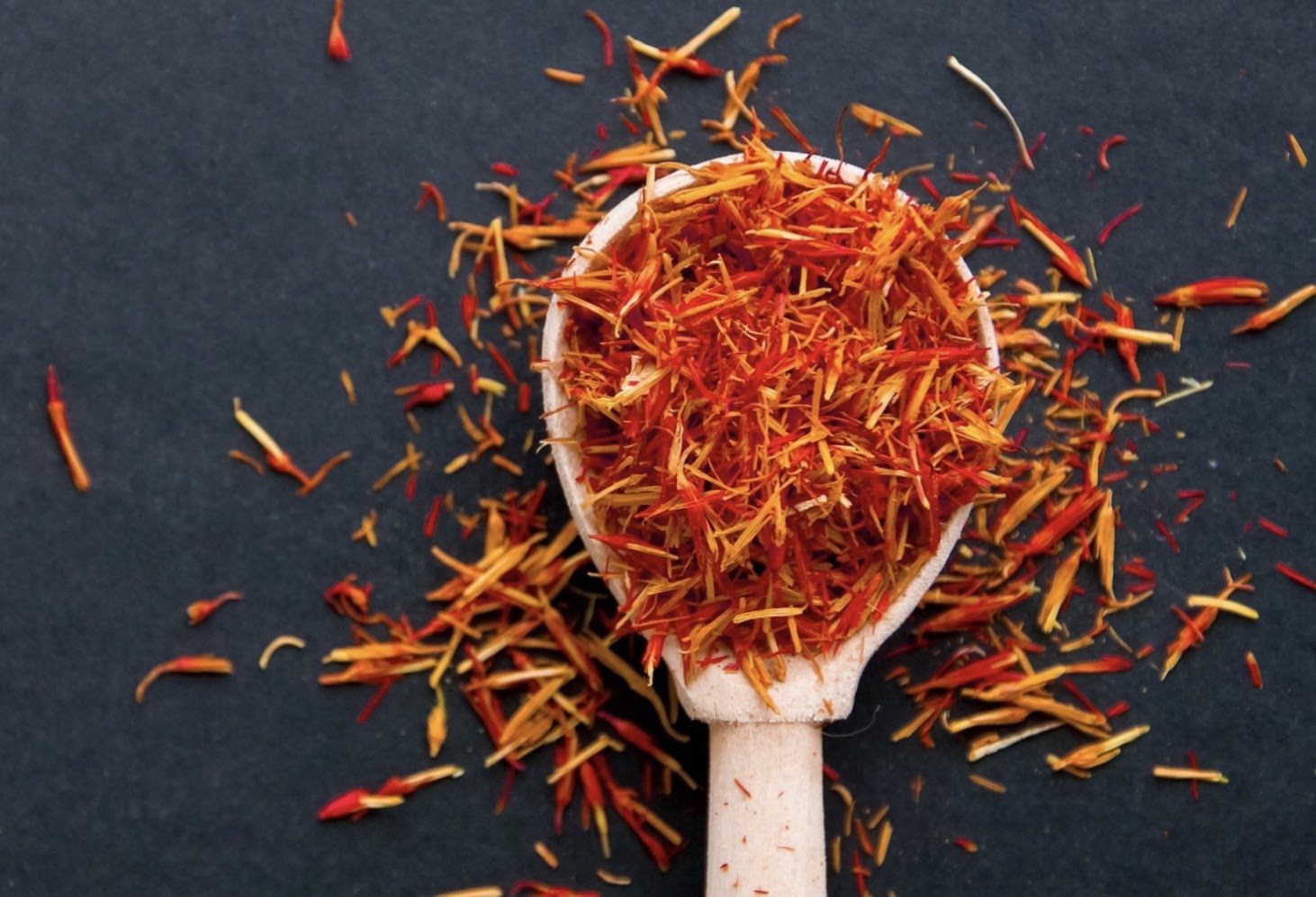
Harvesting is labour intensive as each crocus flower yields just three stigmas, which are picked by hand and then dried to create the saffron strands. Apparently it takes up to 200,000 individual flowers to yield about half a kilogram of saffron. The resulting saffron strands are deep red (stigmas). The yellow tips you see in the picture above are the styles from the crocus flower. High grade saffron does not include the yellow styles and only has the red stigmas.

How is it used

Saffron is used to flavour and give a vibrant colour to Persian stews, kebabs and some desserts including ice-cream.

To get more out of your saffron, grind the saffron strands following purchase in a pestle and mortar or a spice grinder. Grind the saffron to a fine powder. 

Prior to adding to any dish, always bloom the saffron in water. This will help release the colour and flavour of the saffron and permeate into your dish far better than just sprinkling it in. The process of grinding and blooming is best practice for saffron as it also means your saffron will go further.

Where to buy

I recommend Iranian saffron, which can be bought from Iranian or Middle Eastern food shops.  Alternatively, if you have an Iranian friend then ask them if they have any spare – the generosity of Iranians is well known particularly when it comes to food!

Make sure you are not buying low quality saffron! The picture above is actually an example of low quality saffron as the strands include the yellow styles from the flower

You can find more information on saffron in my article published here.

How to store

Store your saffron in an airtight container in somewhere dark, cool and dry.

Recipes using Saffron

Here are a few recipes to try:


Turmeric (Zard Chubeh)

What is Turmeric?

Turmeric is a member of the ginger family. Its root is used in cooking and is commonly found in powdered form, although the fresh root is becoming more available in the UK. 

A bright orange powder which stains fingers, clothes and work surfaces easily! It has a flavour profile that is earthy, musky and bitter. 

The health benefits of turmeric have been well documented with a focus on its anti-inflammatory properties. Turmeric is a superfood and it features heavily in Persian cuisine, particularly in the meat dishes. It flavours the meat and helps to extinguish the pungent meat smell when cooked with onions.

Where to buy

The British love for curry has seen ground turmeric made available in all local supermarkets. I buy mine in bulk markets from a local Asian supermarket.

How to store

Turmeric should be stored in a cool, dry area and in an airtight container i.e. spice jar with a screw lid. Hints that you need to replace your turmeric are the colour loses its vibrancy and becomes a dull brown and the aroma is weak. As soon as you open your turmeric jar, the strong musky notes should hit your nose.

Recipes using Turmeric

Here are a few recipes to try:


Basmati White Rice (Berenj)

There is no substitute for this type of rice. It is an absolute must if you want to recreate the many delicious and unique rice dishes.

What is Basmati Rice?

Rice is the seed of a grass species. Basmati is a variety of long-grained aromatic rice primarily grown in Pakistan, India and Nepal.

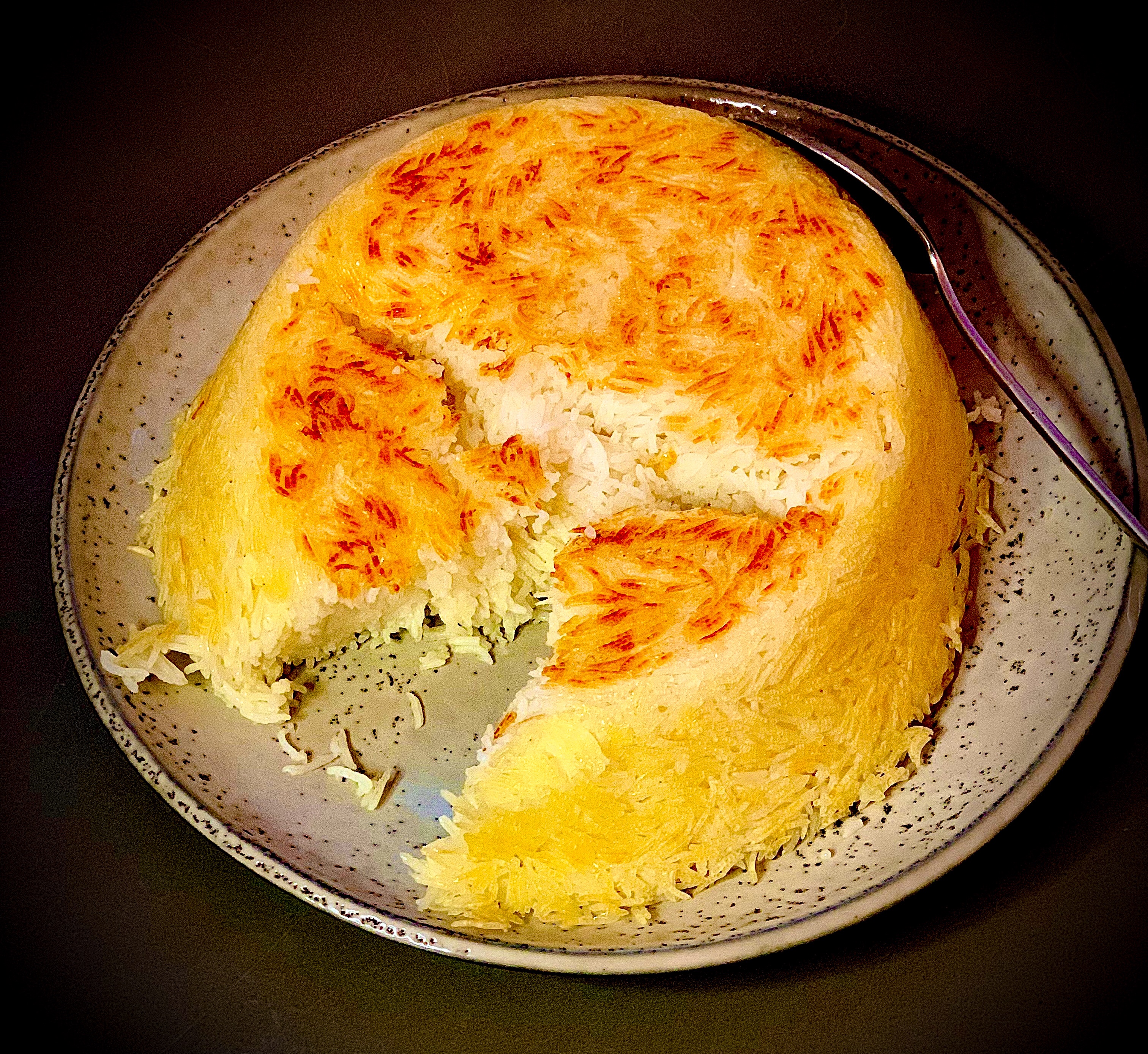
Long grain white rice, when cooked the Persian way, creates beautiful separate strands of fluffy rice. It involves a four-step process: washing, soaking, boiling and steaming. Some brands are now offering extra-long grain rice, which results in an even more sophisticated looking rice dish, so if you can get your hands on this type of rice, then please do. 

Where to buy

Most UK supermarkets stock it, but you can buy in bulk (10kg bags) and for cheaper if you pop to your local Middle Eastern or Asian supermarket.

I recommend that you always soak the rice before cooking. Not all consider this stage is necessary anymore in light of the quality of long grain basmati rice available, however it is of note that some famous brands recommend soaking their rice for 30 minutes pre cooking. Soaking the rice promotes more thorough cooking by allowing moisture to reach the centre of the rice grain, allows for better absorption of vitamins and minerals and it further improves the final texture, by making the grain less brittle.

How to store

Keep it in a cool and dry area of your home such as pantry.

Rice Recipes


Persian mixed spice (Advieh)

What is Advieh?

Advieh is the Persian equivalent of mixed spice. It is used in many dishes with the combination of spices varying from region to region in Iran.

Advieh is a fragrant mix of spices and can be compared in use to garam masala in Indian cooking, whereby the addition of advieh seasons the dish and adds a further layer of aroma. It can simply be sprinkled on a plain rice dish, added to stews and marinades for meat.

Where to buy

The advieh I use is a mixture of nutmeg, rose petals, cumin, cardamom, coriander, cinnamon and black pepper. I buy it online from a supplier on Etsy; however, this can also be picked up from most Iranian or Middle Eastern food shops.   

How to store

It should be stored in a cool, dry area and in an airtight container i.e. spice jar with a screw lid. 

Recipes using Advieh


Dried Mint (Nanaa)

What is Mint?

Mint is an aromatic, green perrenial herb. It is a hardy plant and grows abundantly in the UK. Persian recipes primarily use dried mint but fresh mint is sometimes required.

From being used in dips and salads to being included in some of our hero dishes like Ash Reshteh (a herb, lentil and noodle soup) and Khask-e-Bademjan (an aubergine and caramelised onion dip), it is definitely an essential store cupboard item. 

Where to buy

Like turmeric, this is an easy to source ingredient, with most local supermarkets stocking dried mint in their herbs and spices aisles and fresh mint in the salad section. As it grows abundantly in the UK, feel free to skip the shop bought stuff and make your own. Just dry the leaves in your airing cupboard and grind them.  

How to store

Dried mint should be stored in a cool, dry area and in an airtight container. Fresh mint should be stored in the fridge.


Sumac (Somagh)

What is Sumac?

Sumac is derived from the dried and ground berries of the wild sumac flower and is used in Persian cooking as a seasoning for a number of dishes including kababs, rice and salads.

It is a tangy spice with a sour and acidic flavour reminiscent of lemon juice. 

Where to buy

Sumac is very easy to get your hands on and can be found in your local supermarket. I recommend buying sumac from your local Iranian or Middle Eastern food store if you have one near you.

How to store

Store in an airtight container and in a cool, dry area. 

Recipes using Sumac


Dried Limes (Limoo Amani)

What is Limoo Amani?

Limoo Amani are limes which have been brined and then dried in the sun to lose water content. Originating in Oman – hence the Iranian name Limoo (lime) Amani (Oman) – they are used whole, sliced, or ground, as a spice in many Middle Eastern dishes. They come in both brown and black varieties. The black ones have been dried for longer. 

They are used in Persian cooking to flavour the stews of Ghormeh Sabzi (herb and lamb stew) and Gheymeh (yellow split pea and lamb stew). The limes are pierced and left in the stew to simmer to release their unique and distinct flavour profile of sour, citrusy, earthy, smoky and bitter.  

Where to buy

They can be purchased from an Iranian or other Middle Eastern food store. Alternatively, they can be bought online.

Recipes using Limoo Amani


Rose Water (Gol Ab)

What is Rose Water?

Rose water is water made by steeping rose petals in purified water.

Since ancient times it has been used nutritionally, medicinally and as an ingredient for perfume. Many Middle Eastern women still use rose water as a facial toner, a natural product and a lot cheaper than modern cosmetic brands.

It is used in Persian, other Middle Eastern and Indian cuisine, particularly desserts such as ice cream, cakes and biscuits. It is also used in savoury dishes, in particular for scenting rice dishes, adding a unique floral note.

For those of you who may not be familiar with rose water as an ingredient, if you have ever eaten Turkish Delight then you know the effect of adding rose water as an ingredient. 

Where to buy and how to store

You can buy rose water from most Iranian or other Middle Eastern or Asian food store. You may also find it in your local supermarket. Again, if you can get your hands on Iranian rose water then all the better.

Once opened, store the rose water in the fridge to keep it fresh for longer.

Recipes using Rose Water


Pomegranate Molasses (Rob-e-Anar)

What is Pomegranate Molasses?

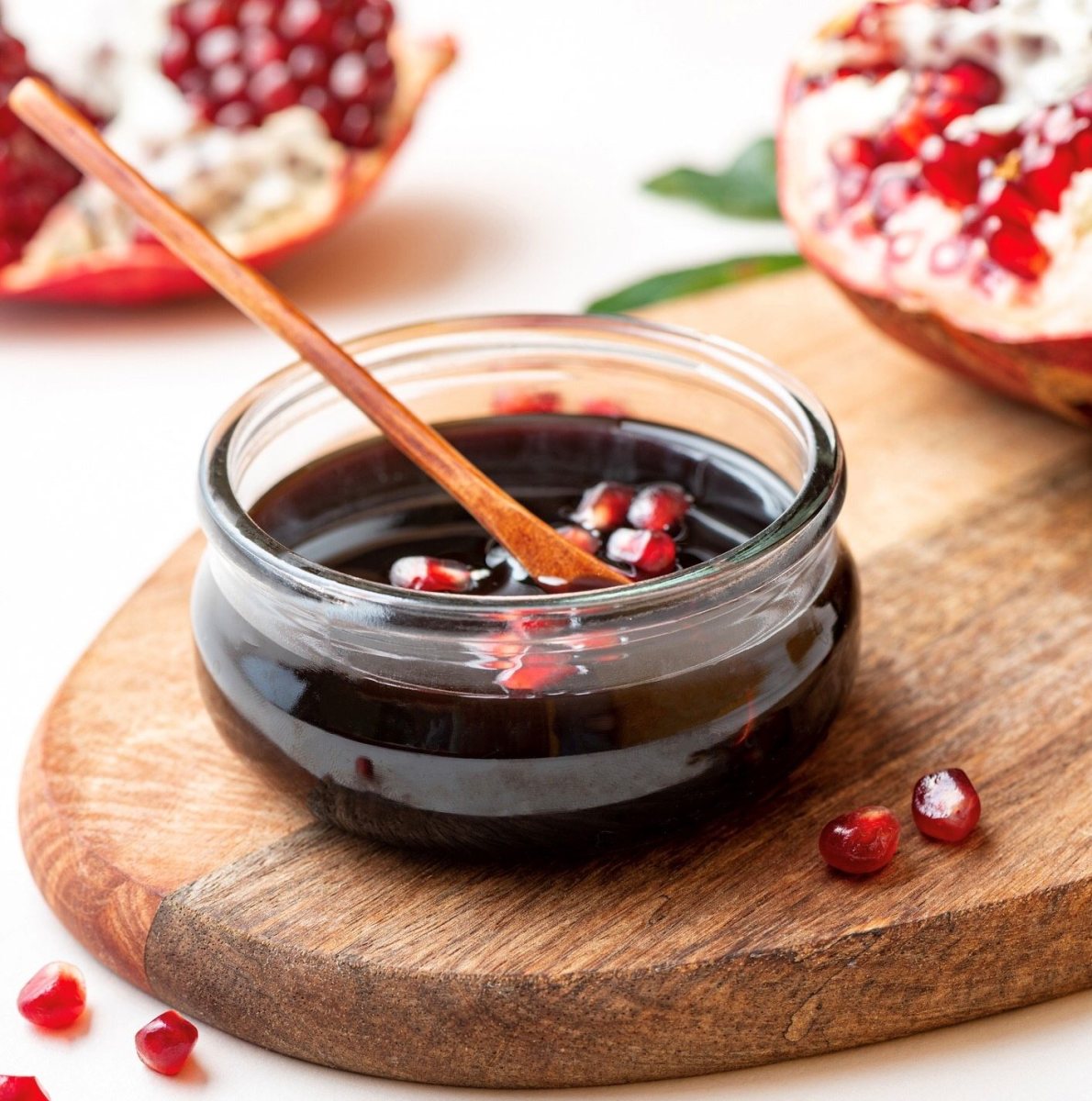
Pomegranate molasses is a thick syrup with a dark grape colour made from reducing pomegranate juice. The juice is obtained from a tart variety of pomegranate.

The flavour profile is intensely sweet and sour and it is primarily used in a Persian stew made with walnuts, called Fesenjoon. It can also be used for salad dressings and desserts.

The Northern Province of Iran uses pomegranate molasses for a number of their recipes including Kal Kabab (a smoked aubergine dip); Zeytoon Parvardeh (marinated olives); and kabab Torsh (meat marinated in a paste made of pomegranate molasses, garlic and crushed walnuts and then cooked on a charcoal fire).

Where to buy and how to store

You can pick it up at some local supermarkets. You can also buy it online or from your local Iranian or other Middle Eastern food store.

Store in the fridge once you have opened the bottle.

Recipes using Pomegranate Molasses


Pistachios (Pesteh)

What are Pistachios?

Pistachios are nuts and a member of the cashew family, growing on small trees originating from Central Asia and the Middle East. 

Whether in their shells, oven dried and salted, in bowls as nibbles at family parties, or used as fresh bright green kernels in Persian dishes such as Shirin Polo (a sweet and savoury rice served with chicken), pistachios are synonymous with the Persian culture. 

Where to buy and how to store

For the purposes of cooking some of the dishes on this site you will need fresh pistachio kernels, which are a vivid green with no skin on them, which you can buy from your local Iranian or other Middle Eastern food store.

Store them in the fridge in order to retain flavour and freshness.

Recipes using Pistachios


Fenugreek (Shambalileh)

What is Fenugreek?

Fenugreek is an aromatic Mediterranean plant that produces long pods containing light brown seeds which have a slightly bitter taste. Roasted and ground, they are used as a flavouring in curries. The leaves from the plant (often sold as methi) can be used in salads, and both fresh and dried leaves are used in Persian and Indian cookery.

The seeds and the leaves have a strong aroma and the smell is instantly recognisable if you have had your fair share of curries or eaten everyone’s favourite Iranian stew – Ghormeh Sabzi (herb stew with lamb).  

Fenugreek is used in the famous Persian lamb, kidney bean and herb stew, Ghormeh Sabzi. It is also used in Meygoo Polo (prawn rice) and Eshkeneh (a potato and onion egg-drop soup).

Where to buy and how to store

I source my fresh and dried fenugreek / methi from my local Asian supermarket. Keep fresh leaves in the fridge or freezer and dried fenugreek in an airtight container somewhere cool and dry.  


Kashk

What is Kashk?

Persian kashk (other Middle Eastern countries have their own versions of kashk) is made from fermented sour milk or yoghurt. It is also used to describe dried buttermilk.

It comes in liquid or dried form. The dried form is often found in balls which are soaked in water to create the liquid kashk used in Persian dishes. I prefer the liquid form as it is quicker and easier to cook with.

It has a unique flavour profile that is sour and a little cheesy. I’m probably not selling this to you right now but it is a truly delightful addition to some of our famous dishes: Kashkeh Bademjan (the kashk is mixed in to an aubergine dish made with caramelised onions, garlic and mint); and Ash Reshteh (the kashk is mixed into a delicious herb, lentil and noodle soup).

Where to buy and how to store

You can buy kashk from Middle Eastern food stores or online. Keep in the fridge once opened. If you have bought a large jar, then decant into smaller portions and freeze.